


Best Twitter viewer apps are becoming more popular as users look for clearer ways to view Twitter activity, track engagement patterns, and monitor account behavior without relying only on the native platform interface.
We reviewed, we tested, and we compared seven tools to see how they actually perform in real use. Some focus on simple viewing, others offer deeper monitoring with structured reports and activity logs.
The differences are not always obvious at first glance. In this guide, we break down what each tool does well, where limitations appear, and which option fits your specific goal best.
7 Best Twitter Viewer Apps Reviewed
We tested the best Twitter viewer apps using the same evaluation criteria so every tool is judged fairly. We looked at setup complexity, Twitter/X visibility depth, dashboard clarity, and realistic limitations.
Some tools function as true Twitter monitoring apps, while others focus on lightweight Twitter viewer online access. The differences matter more than most people expect.
1. uMobix
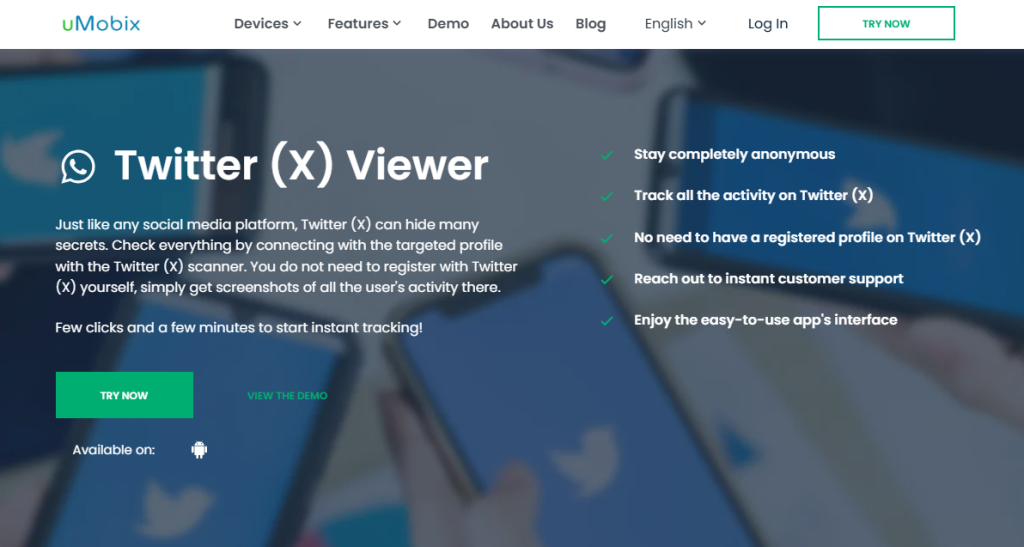
uMobix is not a simple Twitter viewer tool. It is a structured Twitter monitoring app designed for users who need detailed visibility into account activity. In our testing, it clearly leans toward depth rather than surface-level browsing.
Access requires installation on the monitored device. That means physical access during setup, which adds friction but also unlocks more detailed data. Once configured, everything syncs to a cloud dashboard. In our experience, this setup model delivers more consistent results than most browser-only Twitter viewer apps.
In real use, Twitter/X activity logs are organized clearly. Posts, messages, engagement activity, and timeline behavior appear in categorized sections. We liked how the data is displayed chronologically instead of scattered across multiple panels. It makes pattern review easier and faster.
The biggest strengths are reporting depth, structured logs, and clarity in navigation. The tradeoff is setup effort and device dependency. We think uMobix fits users who need serious Twitter activity monitoring, not casual viewing.
2. XNSPY
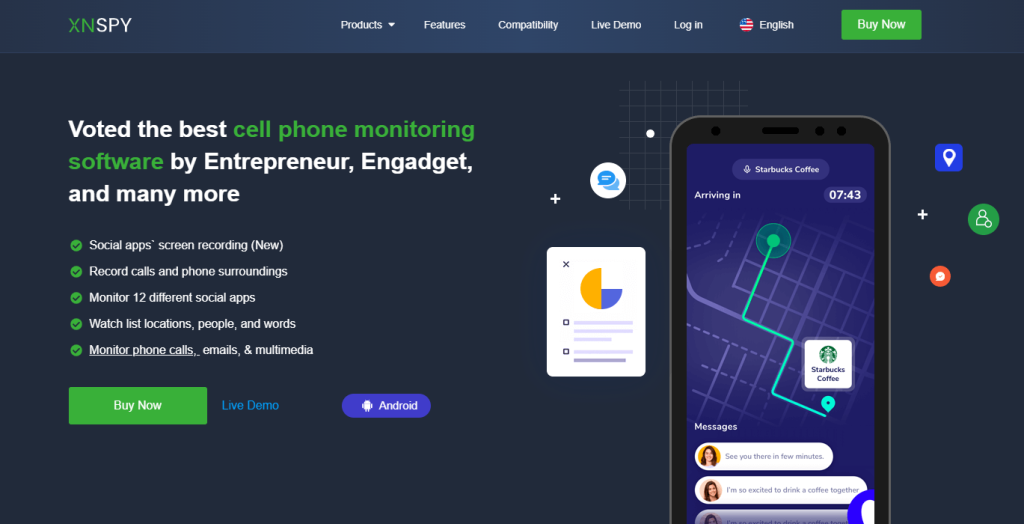
XNSPY positions itself as a data-driven Twitter monitoring app with strong reporting controls. After testing it, we can say its strength lies in how it organizes and structures activity logs.
Like uMobix, access requires installation on the target device. That requirement immediately separates it from lightweight Twitter viewer online tools. However, once active, the dashboard feels built for review rather than casual browsing.
Activity categories are segmented clearly. Timestamps are consistent. Historical data is easy to scroll and filter. We especially noticed how alert controls improve monitoring efficiency. You can define keywords and triggers, which adds a level of structure many Twitter viewer apps simply do not offer.
Its strongest advantage is detailed reporting and alert control. The tradeoff is the technical setup requirement. In our opinion, XNSPY is best for users who prioritize organized Twitter activity tracking over simplicity.
3. xMobi
xMobi sits between full-scale monitoring tools and simplified Twitter viewer apps. It feels more streamlined than XNSPY or uMobix, but still structured enough to go beyond basic browsing.
Setup typically requires device access, though the process feels less technical. Once connected, the dashboard presents categorized activity sections in a clean layout. We found the interface easier to navigate compared to heavier monitoring systems.
It reliably captures posts, messages, and visible engagement when permissions allow. Limitations can appear due to sync timing or operating system restrictions. That is normal for most Twitter monitoring apps, but it is worth noting.
Strengths include usability, clean dashboard design, and moderate reporting depth. Tradeoffs include slightly less granular logging compared to more advanced tools. We think xMobi works best for users who want balanced Twitter viewer app functionality without overwhelming controls.
4. AccountViewer
AccountViewer is structured more like a simplified Twitter viewer online tool than a device-level monitoring system. It focuses on accessibility and ease of navigation.
There is no heavy installation process. Instead, it aims to provide browser-style access to view Twitter profiles and activity. For users searching for Twitter viewer apps without complex setup, this approach feels significantly lighter.
It helps you quickly review publicly visible posts, engagement patterns, and account details through a streamlined interface. We appreciate that it does not overpromise unrealistic access levels. That transparency matters in a market where some tools exaggerate capabilities.
The strength here is simplicity and low setup friction. The tradeoff is limited depth compared to monitoring-based solutions. In our view, AccountViewer fits users who want quick Twitter profile viewing without structured monitoring controls.
5. PeekViewer
PeekViewer positions itself clearly as a viewer-first tool. It does not present itself as a deep monitoring system, and we respect that transparency.
The workflow focuses on browser-based viewing with separation from personal login credentials. In our testing, the process feels straightforward and uncluttered. For users looking for a Twitter viewer app focused on simplicity, this is appealing.
The interface is clean. Navigation is easy. There are no overly technical menus or complex configuration steps. We personally found the experience less overwhelming compared to installation-heavy tools.
Strengths include ease of use, clear boundaries, and minimal setup. Tradeoffs involve limited historical depth and less structured reporting. PeekViewer is best for users who prioritize straightforward Twitter account viewing over monitoring analytics.
6. mSpy
mSpy operates as a comprehensive Twitter monitoring app with layered visibility controls. It is built for structured oversight rather than casual viewing.
Setup requires installation on the target device. After configuration, activity logs sync to an online dashboard. The control layer is detailed, offering categorized logs and review options that feel professional and organized.
Twitter-related data appears within structured sections, making it easier to audit activity patterns. We noticed that consistency of updates depends on device compatibility and permissions, which is common across monitoring tools.
Strengths include structured controls, log consistency, and administrative organization. The tradeoff is setup complexity. We believe mSpy fits users who want disciplined Twitter activity tracking rather than lightweight viewing.
7. Eyezy
Eyezy focuses heavily on user interface design and dashboard clarity. Among the best Twitter viewer apps we tested, it offers one of the more modern layouts.
Setup typically involves device access similar to other monitoring tools. Once active, the dashboard presents categorized data in a visually structured format. We found the interface intuitive and less cluttered than many competitors.
Visibility depth is solid when device permissions are properly configured. Activity is segmented clearly, and logs are easy to scroll and review. Still, expectations must stay realistic. It does not bypass platform restrictions or unlock private content magically.
Strengths include modern UI, organized visibility layers, and ease of navigation. Tradeoffs include device dependency. In our opinion, Eyezy suits users who want a polished Twitter monitoring app with clear data presentation.
How We Evaluated These Best Twitter Viewer Apps
To determine which tools truly deserve a place among the best Twitter viewer apps, we applied the same structured review framework to each platform. We focused on practical performance, not marketing claims, and tested how each Twitter viewer app behaves under real-world conditions.
Access Model and Setup Friction
The first factor we evaluated was the access model, because this directly impacts both usability and risk level. Some tools operate as a Twitter viewer online through browser-based access. Others require installation on a target device, functioning more as a Twitter monitoring app than a simple viewer.
Browser-based platforms generally offer faster onboarding. In many cases, you can begin navigating within minutes. However, depth is typically limited to what the platform can legally and technically display.
We also examined login requirements carefully. Tools that request personal Twitter passwords introduce higher risk. By contrast, services that operate without direct account credential access present a more separated model.
In summary, we considered:
- Browser-based vs device-installed access models
- Presence or absence of account credential requirements
- Realistic onboarding time before activity becomes visible
Data Coverage and Update Consistency
A strong Twitter viewer app must provide consistent, structured visibility. We analyzed what categories of Twitter/X activity appear reliably and which areas show limitations.
For monitoring-based tools, this included:
- Posts and timeline activity
- Direct messages (when device permissions allow)
- Engagement signals such as likes, replies, and repost behavior
- Timestamps and historical continuity
For browser-style Twitter viewer online tools, visibility often centers on public account data. We examined how clearly that information is organized and whether the platform exaggerates coverage depth.
We also assessed how data gaps occur. Sync intervals, device operating system restrictions, and platform-level account limitations can affect reporting accuracy. A credible Twitter monitoring app acknowledges these constraints instead of implying unlimited access.
Privacy and Risk Signals
Privacy evaluation is critical when reviewing the best Twitter viewer apps. We carefully examined how each platform handles permissions, data access, and marketing language.
We flagged tools that:
- Request unnecessary passwords or sensitive credentials
- Demand aggressive device permissions without explanation
- Make vague claims such as “complete unlimited access”
Transparency was a major trust indicator. Platforms that clearly define what is included in each plan build stronger credibility. We also reviewed the visibility of customer support channels and refund policies. Hidden terms or unclear subscription structures create risk signals.
A responsible Twitter monitoring app should clearly explain:
- What data is collected
- How access works
- What limitations exist
- What support is available
Trust is built through clarity, not exaggerated capability claims.
Reporting and Usability
Even the most feature-rich Twitter viewer app loses value if the dashboard is confusing. We tested each platform’s usability by navigating daily workflows: reviewing logs, searching activity, and exporting data where available.
We focused on:
- Dashboard clarity and logical organization
- Search and filtering controls
- Ability to segment data by time or activity type
- Export functionality for reporting
- Multi-device access and admin-level controls
Clean categorization improves efficiency. Chronological timelines with consistent timestamps simplify pattern recognition. Platforms that overload users with scattered menus reduce practical usability.
We believe that strong Twitter activity tracking depends on structured presentation just as much as data access. A well-organized interface turns raw logs into usable insight.
By evaluating access models, coverage consistency, privacy signals, and reporting clarity, we identified which platforms genuinely qualify as the best Twitter viewer apps for different use cases.
Conclusion
After reviewing all seven platforms side by side, one thing became clear: the best Twitter viewer apps are not all built for the same purpose. Some tools operate as lightweight Twitter viewer online solutions designed for quick profile checks and simplified access.
Others function as full Twitter monitoring apps, offering structured logs, categorized timelines, and deeper activity visibility through device-level access.
We tested each tool based on setup friction, data consistency, privacy transparency, and dashboard usability. No platform magically bypasses Twitter/X restrictions, and any service that claims unlimited access should raise concerns. The right choice depends on your goal.
Frequently Asked Questions
What are the best Twitter viewer apps for checking activity reliably?
The best Twitter viewer apps depend on your goal. Monitoring-based tools like device-installed apps offer structured logs and deeper visibility, while browser-based Twitter viewer online tools focus on simplified profile viewing.
Can a Twitter viewer app show private or locked account content?
No legitimate Twitter viewer app can bypass platform privacy restrictions. Any tool promising guaranteed access to locked or private Twitter accounts should be approached with caution.
Which Twitter viewer app has the easiest setup?
Browser-based Twitter viewer online tools typically have the fastest onboarding because they do not require installation. Monitoring apps require device access during setup but provide deeper visibility afterward.
What should I check before paying for a Twitter viewer app?
You should verify the access model, privacy policy, and refund terms. Clear documentation about what data is included in each plan is a strong trust signal when choosing a Twitter monitoring app.
Are Twitter viewer apps safe to use on your own device?
Safety depends on how the app operates. Tools that avoid requesting your Twitter password and clearly explain permissions present lower risk compared to platforms with vague credential requirements.
How do I avoid scams when choosing a Twitter viewer app?
Look for transparent feature descriptions, visible customer support, and realistic claims. The safest approach is to choose platforms that clearly explain limitations rather than promising unlimited Twitter access.
Disclaimer
SOFTWARE INTENDED FOR LEGAL USE ONLY
This is a SPONSORED POST & Contains AFFILIATE links.
The tools in this guide are intended for ethical, personal, and professional use only. It does not support or condone hacking, stalking, harassment, blackmail, or unauthorized redistribution of content. Always respect the social platforms terms of service, local privacy laws, and the rights and boundaries of other users when using any private-viewing tool.