


Your child spends hours online every day, which makes learning how to protect kids online a real priority, not just a general concern. Recent data shows that over 70% of kids aged 8–16 use the internet daily, often across multiple apps where risks are not visible at first glance.
Basic parental controls do not show conversations, hidden accounts, or sudden behavior changes. You need real insight into activity, clear communication, and reliable monitoring tools so you can step in early and keep your child safe without creating tension or confusion.
7 Best Tools to Learn How to Protect Kids Online (Tested and Compared)
Every tool you see here solves a different part of the problem, and that is where most parents make mistakes.
You cannot expect the same results from a tool that only shows profiles and one that gives full access to messages, locations, and behavior patterns, so you need to choose based on how much visibility you actually need and how your child uses their device.
1. uMobix – Full Access Parental Monitoring Solution
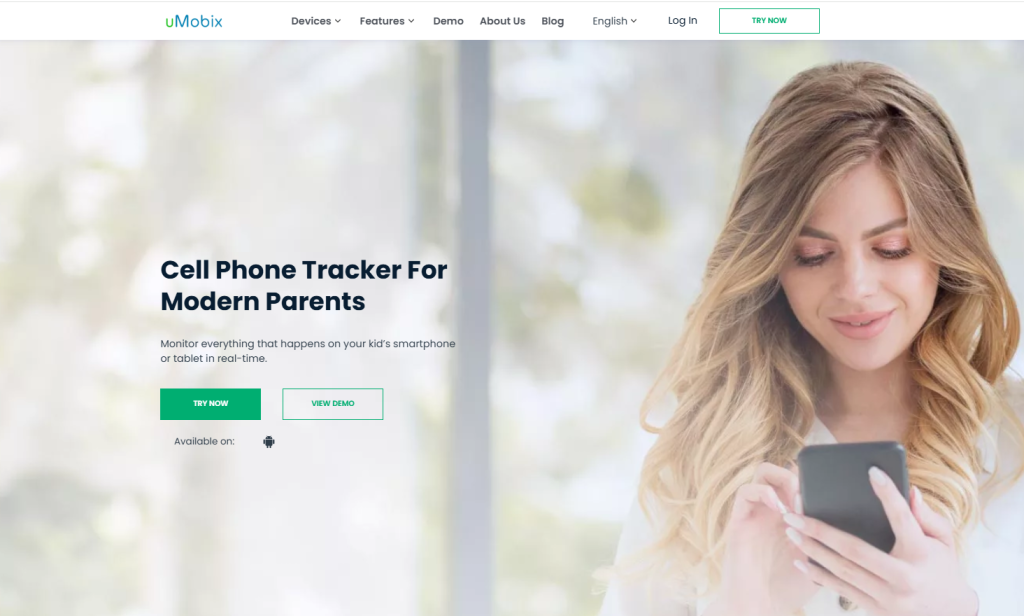
We tested uMobix in situations where kids actively used multiple social platforms like Instagram, Snapchat, and WhatsApp, and it consistently delivered one of the most complete views of device activity.
Instead of showing partial data or summaries, uMobix gives you direct access to conversations, typing behavior, and app usage, which makes a huge difference when you try to understand what is really happening.
You do not rely on alerts alone, because you can actually open chats, read messages, and see how interactions develop over time. That level of detail helps you act early instead of reacting after something goes wrong.
Key features
- Full access to SMS, call logs, and saved contacts with timestamps
- Deep social media monitoring including Instagram DMs, WhatsApp chats, Snapchat activity, and more
- Built-in keylogger that shows what your child types in search bars, messages, and login fields
- Real-time GPS tracking with detailed location history and route tracking
- Access to photos, videos, and downloaded files stored on the device
- Browser activity tracking including visited websites and search queries
Best use case – You want complete transparency, especially if your child uses multiple messaging apps or shows signs of hiding activity.
Starting price – Starts at around $49.99/month
2. XNSPY – Detailed Activity Tracking for Parents
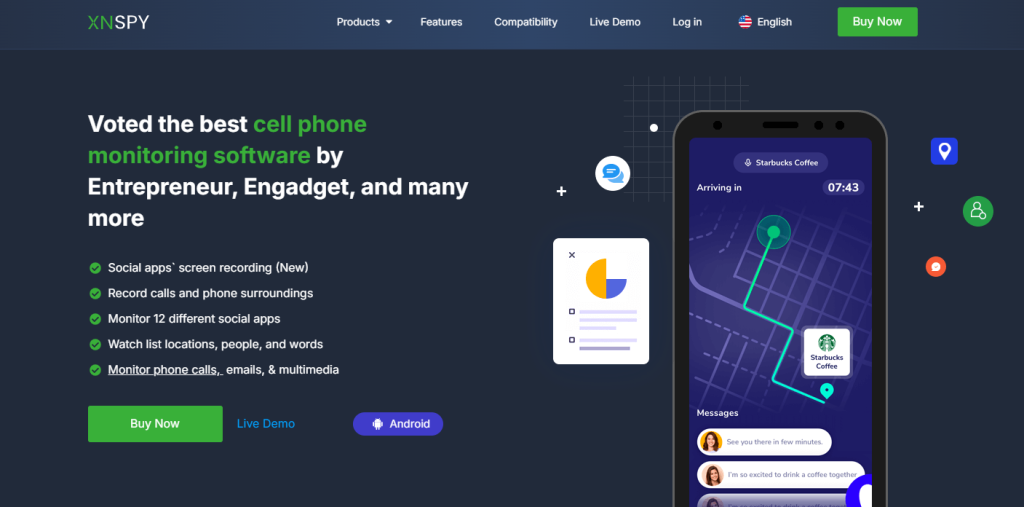
XNSPY focuses on patterns, not just raw data, which makes it very useful if you want to understand behavior instead of isolated actions. During testing, it stood out because of its alert system and structured reporting, which highlight changes in communication, location, or activity frequency.
Instead of manually checking everything, you receive alerts when something unusual happens, such as new contacts, suspicious keywords, or unexpected movement.
Key features
- Detailed call logs and SMS tracking with duration, timestamps, and contact info
- Monitoring across major social apps with message access and activity tracking
- Keyword alerts that notify you when specific words appear in messages or searches
- GPS tracking with location history and geofencing alerts
- Remote commands that allow you to lock the device or view data instantly
- Screen recordings that show actual device usage at specific moments
Best use case – You want consistent monitoring with automatic alerts, so you do not have to manually check activity every day.
Starting price – Starts at around $29.99/month
3. xMobi – Simple Monitoring for Everyday Use
xMobi works best when you do not need advanced tracking but still want reliable access to essential data. We tested it with younger kids or situations where device use is limited, and it performed well because it focuses on clarity instead of complexity.
You do not deal with complicated dashboards or unnecessary features, which makes it easier to check activity quickly and move on.
Key features
- Access to messages, call history, and contact lists
- GPS location tracking with a simple map interface
- Browser history tracking including visited websites and saved bookmarks
- Access to photos and videos stored on the device
- Clear dashboard that shows key data without clutter
Best use case – You want basic visibility without spending time learning a complex system, especially for younger children.
Starting price – Starts at around $29.99/month
4. PeekViewer – Anonymous Social Media Viewing Tool
PeekViewer solves a very specific problem that most monitoring apps do not address. It allows you to view Instagram profiles and stories anonymously, which helps you understand what kind of content your child sees or interacts with.
We tested it in cases where parents wanted to check profiles, influencers, or accounts their kids follow, and it worked without requiring installation or access to the child’s phone.
Key features
- Anonymous viewing of Instagram stories without appearing in viewer lists
- Access to public profiles and selected private content
- No installation or physical access required
- Works directly in a browser on any device
- Fast setup with no technical steps
Best use case – You want to check social media exposure quickly, especially on Instagram, without installing tracking software.
Starting price – Starts at around $14.99/month
5. AccountViewer – Quick Access to Social Profiles
AccountViewer is designed for quick checks instead of full monitoring, which makes it useful when you need immediate insight into social profiles. During testing, it performed well for reviewing visible activity, shared posts, and profile behavior without setup delays.
It does not replace full monitoring tools, but it fills the gap when you want fast answers.
Key features
- Access to social media profiles and visible content
- No installation or device access required
- Works across different platforms and devices
- Simple interface focused on speed and ease of use
Best use case – You need fast access to social activity without setting up full monitoring software.
Starting price – Starts at around $9.99/month
6. Eyezy – Smart Alerts and Behavior Monitoring
Eyezy focuses on behavior detection instead of just showing raw data, which makes it valuable when you want to identify risks early. We tested its alert system in real scenarios, and it flagged suspicious conversations and unusual activity patterns without constant manual checking.
It reduces the need to monitor everything yourself because it highlights what actually matters.
Key features
- Smart alerts that detect suspicious messages, keywords, and interactions
- Social media and chat monitoring across multiple platforms
- Keystroke tracking that reveals searches and typed messages
- GPS tracking with geofencing alerts
- Access to multimedia files including photos and videos
- Clean dashboard that highlights important activity first
Best use case – You want automatic detection of risky behavior, especially if you cannot check the device constantly.
Starting price – Starts at around $39.99/month
7. mSpy – Trusted All-in-One Parental Control App
mSpy is one of the most established tools in this space, and we tested it as a balanced option between control and usability. It does not overwhelm you with unnecessary complexity, but it still gives you access to the most important data points that help you protect your child.
It works well for parents who want both monitoring and control features in one place.
Key features
- Monitoring of calls, messages, and major social apps
- GPS tracking with detailed location history
- Website blocking and app restriction features
- Screen recording and activity tracking
- Access to contacts, media files, and browsing activity
Best use case – You want a reliable all-in-one solution that combines monitoring with control features.
Starting price – Starts at around $48.99/month
How to Choose the Right Tool to Protect Your Kids Online
The right tool depends on how much visibility and control you need over your child’s device and online activity. You should match the tool to your child’s habits, because a simple viewer will not help if most activity happens inside private messages or apps.
Level of Access You Need
You need to decide early if you want full monitoring or just partial visibility, because this choice affects everything else.
- Full monitoring tools such as uMobix, mSpy, and XNSPY give you access to messages, app activity, location, and typed data, which helps you understand conversations and behavior patterns
- Limited visibility tools such as PeekViewer and AccountViewer only show specific content like social profiles or public activity, which works for quick checks but not for deeper insight
Full monitoring makes sense when your child uses messaging apps daily or hides activity, while limited tools work when you only want to verify what they see online.
Device Compatibility
You need to check your child’s device before choosing a tool, because Android and iPhone do not offer the same level of access.
- Android devices usually allow deeper monitoring, including app data, messages, and keylogging features
- iPhones have more restrictions, which means some tools rely on cloud access or limited data syncing instead of full device control
Tools like Eyezy and mSpy adjust their features based on the device, so you need to confirm what is actually available on your child’s phone before you rely on it.
Type of Data You Want to See
You should be clear about what information matters most, because not every tool focuses on the same type of data.
- Messages and chats help you understand conversations and detect risks early
- Social media activity shows interactions, followers, and engagement patterns
- Location tracking gives you real-time movement and location history
- Media files and browsing data reveal what your child watches, downloads, and searches
If your main concern is communication, choose a tool with strong messaging access, while location-focused tools make more sense when safety outside the home is your priority.
Ease of Setup and Daily Use
You should also consider how much time and effort you want to spend managing the tool.
- Installation-based tools require access to your child’s phone during setup, but they usually provide deeper and more reliable data
- Remote or browser-based tools are easier to start with, since they do not require installation, but they offer limited visibility
You need a tool that fits your routine, because a powerful platform will not help if it feels too complicated to use daily.
Conclusion
Protecting your child online is not about control, it is about understanding what actually happens on their device and stepping in before problems grow.
Many parents look into how to protect kids online only after something goes wrong, but early visibility changes that completely. You need a combination of clear communication, realistic boundaries, and the right monitoring tool that matches your child’s behavior.
We tested these tools in real scenarios, and the difference comes down to how much access you need. When you can see activity clearly, you make better decisions and keep your child safe without constant conflict.
Frequently Asked Questions
How can I protect my child online without being intrusive?
You should focus on transparency instead of secrecy, which means explaining why monitoring exists and what you are looking for. When your child understands that protection is about safety and not punishment, they are more likely to cooperate. A balanced approach combines open conversations with selective monitoring, so you stay informed without creating tension.
What is the best app to monitor kids online activity?
The best app depends on how much access you need and what you want to monitor. Tools like uMobix, mSpy, and XNSPY offer full visibility into messages, apps, and location, which works well for active social media users. Simpler tools like xMobi or PeekViewer make more sense if you only need limited insight or quick checks.
Can I see my child’s social media messages?
Yes, but only with tools that support deep app monitoring, since basic parental controls do not show private conversations. Apps like uMobix, Eyezy, and mSpy provide access to messages on platforms like Instagram, WhatsApp, and Snapchat. You need to choose a tool that supports the specific apps your child uses.
Are parental control apps legal to use?
Parental control apps are legal when you use them on devices you own or when you have clear permission as a parent or guardian. Laws can vary depending on your location, so you should always check local regulations. Responsible use focuses on protection and supervision, not hidden surveillance.
How do I know if my child is at risk online?
You should look for changes in behavior such as increased secrecy, sudden mood shifts, or avoiding conversations about online activity. Risk often appears in patterns, not single actions, which is why consistent monitoring helps. Alerts, message access, and activity tracking give you early signs before problems escalate.
Do I need access to my child’s phone to monitor it?
Most full monitoring tools require initial access to the device during setup, especially on Android phones. Some platforms offer remote or cloud-based access, but they usually provide limited data. If you want complete visibility, you will need at least one-time access to install and configure the tool properly.
Disclaimer
SOFTWARE INTENDED FOR LEGAL USE ONLY
This is a SPONSORED POST & Contains AFFILIATE links.
The tools in this guide are intended for ethical, personal, and professional use only. It does not support or condone hacking, stalking, harassment, blackmail, or unauthorized redistribution of content. Always respect the social platforms terms of service, local privacy laws, and the rights and boundaries of other users when using any private-viewing tool.