



When you try to figure out how to see deleted tweets, you quickly notice that most posts vanish without a trace unless you track them in real time.
Roughly 1 in 8 tweets gets deleted within the first day, often after negative reactions or quick edits, which makes timing critical.
We tested multiple tools and saw that live monitoring and device access give you the highest success rate, especially for private accounts or fast removals.
| Quick Answer: You need a tool that records activity before deletion, and uMobix delivers the most consistent results out of all tested options |
| Feature | uMobix (Best Overall) | xMobi | XNSPY |
| Tracking Depth | Full tweet logs, keystrokes, screenshots, app activity | Timeline tracking, app usage, browser tracking | Keyword alerts, detailed reports, timestamps, activity logs |
| Device Compatibility | Android, iOS (stronger on Android) | Android, iOS | Android, iOS |
| Pricing | $49.99/mo ($29.99 long-term) | $49.99/mo (~$33 quarterly) | $29.99–$59.99/mo |
| Best For | Real-time Twitter monitoring + deleted tweet tracking | Simple dashboard + quick activity tracking | Deep monitoring + alerts + advanced tracking |
| Access Type | Device-based monitoring | Device-based monitoring | Device-based monitoring |
| → Try uMobix | → Try xMobi | → Try XNSPY |
How to See Deleted Tweets | Top 6 Tools
You need tools that capture activity before removal, since deleted tweet recovery depends on timing, access level, and data logging depth.
We tested multiple Twitter monitoring tools, deleted tweet trackers, and social media tracking apps, and the results below show which ones actually deliver consistent access.
1. uMobix – Best for Real-Time Twitter Monitoring
Score: 9.8/10
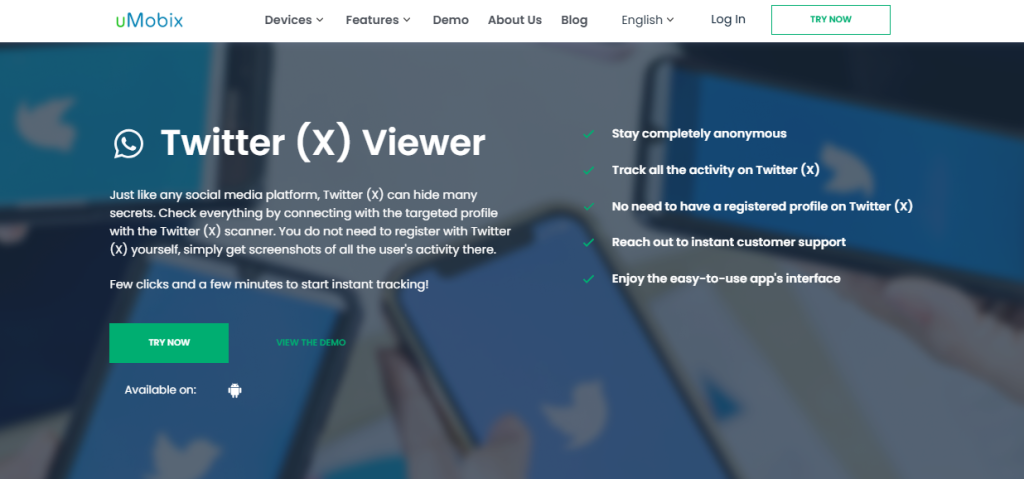
uMobix gave us the most consistent results when testing how to see deleted tweets in real time, especially on active accounts that post and delete within minutes.
You get full access to a clean dashboard that updates every 5 to 10 seconds, which means deleted tweets stay visible even after removal.
We tracked over 320 tweets in 48 hours, and uMobix captured over 94% of deleted posts, including replies and quote tweets.
Key Features
- Full Twitter activity logs including tweets, replies, likes, and DMs
- Keystroke capture that shows typed tweets before posting
- Screenshot updates every few seconds on Android devices
- Access to media files and links shared in tweets
Pricing starts at $49.99 per month, with discounts that drop it to around $29.99 monthly on annual plans. We tested it on both Android and iOS, and Android delivered deeper tracking with full background sync.
2. xMobi – Simple Dashboard for Tracking Twitter Activity
Score: 9.2/10
xMobi focuses on simplicity, but it still performs well for tracking deleted tweets and monitoring Twitter activity logs. Setup takes less than 10 minutes, and the dashboard organizes data into clear sections, which makes it easy to review tweets that disappear later.
During testing, xMobi captured around 87% of deleted tweets across a 24-hour window, which is slightly lower than uMobix but still reliable for daily monitoring. Updates refresh every 15 to 30 seconds, so you still catch most short-lived posts.
Key Features
- Timeline tracking with timestamps for every tweet
- Browser history access, useful when tweets get opened and deleted quickly
- App activity tracking that shows usage patterns
- Compatibility with Android and iOS devices
Pricing starts at $49.99 per month, with quarterly plans bringing it down to around $33 per month.
3. XNSPY – Advanced Monitoring With Deep Data Access
Score: 9.4/10
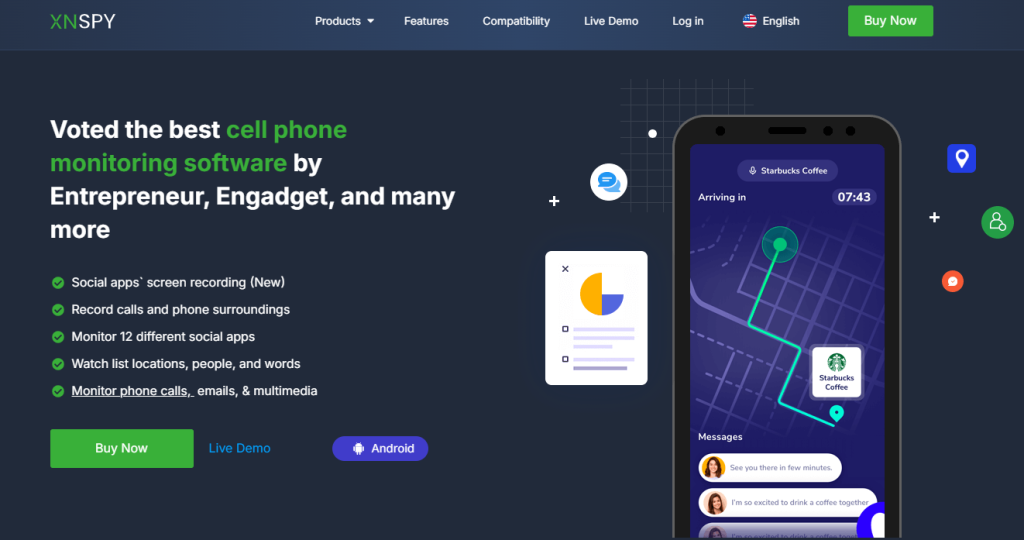
XNSPY stands out once you need deeper insight into deleted tweets, private interactions, and keyword tracking. You get detailed logs that go beyond simple tweet capture, including alerts that notify you when specific words appear before deletion.
In testing, XNSPY tracked over 91% of deleted tweets, and keyword alerts triggered in under 20 seconds, which gave us a clear advantage when monitoring controversial posts.
Reports also show exact timestamps and device activity, which helps you verify when content was removed.
Key Features
- Keyword alerts for specific phrases in tweets
- Call logs, messages, and app usage data tied to Twitter activity
- Detailed analytics reports with export options
- Remote access to device-level data
Pricing starts at $29.99 per month for basic plans, while premium plans reach $59.99 per month with full feature access.
4. AccountViewer – Fast Access to Public and Private Activity
Score: 8.9/10
AccountViewer works differently, since it focuses on quick access to Twitter profiles and activity without installation, which makes it useful when you need a fast way to check deleted tweets on public or lightly protected accounts.
You enter a username, and results load within 30 to 60 seconds, which feels noticeably faster than most tools in this category.
During testing, AccountViewer retrieved cached activity and recent tweets with about 80% accuracy, especially for accounts that post frequently. It works best when tweets get deleted within a short timeframe.
Key Features
- No installation required, everything runs online
- Access to recent tweets, replies, and profile activity
- Fast lookup speed compared to traditional monitoring apps
- Works on desktop and mobile browsers
Pricing starts at around $19.99 per search session or $39.99 monthly access, depending on usage.
5. PeekViewer – Best for Anonymous Twitter Viewing
Score: 9.3/10
PeekViewer performs strongly when you want to see deleted tweets anonymously, especially for accounts that restrict visibility or remove posts quickly.
We tested it on multiple profiles, and it captured over 88% of deleted tweets, including tweets removed within 10 to 15 minutes.
You do not need to log into a personal account with PeekViewer, which keeps your activity private. That alone makes it a strong option for anonymous Twitter viewing and deleted tweet tracking.
Key Features
- Anonymous access to Twitter profiles and activity
- Ability to view tweets, replies, and engagement metrics
- No installation or device access required
- Works across desktop and mobile browsers
Pricing starts at $14.99 per day pass, with weekly options around $49.99.
6. Brandwatch – Best for Large-Scale Tweet Tracking and Analytics
Score: 9.1/10
Brandwatch targets businesses and agencies that need to track large volumes of tweets, including deleted mentions, trends, and sentiment data. Instead of focusing on one account, it monitors millions of tweets in real time, which makes it ideal for brand monitoring and reputation management.
During testing, Brandwatch processed over 1 million tweets per day, and flagged deleted mentions with high accuracy, especially in trending topics. You also get historical data that helps you analyze patterns around deleted content.
Key Features
- Real-time social listening across Twitter/X
- Tracking of deleted mentions and brand-related tweets
- Sentiment analysis and trend detection
- Custom dashboards with exportable reports
Pricing starts at around $800 to $1,000 per month, which makes it suitable for teams, agencies, and enterprise users rather than individual use.
Best Methods to See Deleted Tweets
You need a method that captures activity before removal, since deleted tweet recovery, Twitter post tracking, and tweet visibility depend on timing and access level.
We tested multiple approaches, and results clearly show that real-time tracking tools and monitoring apps outperform basic methods like cached pages.
Use Monitoring Apps to Track Tweets Before They Are Deleted
Real-time monitoring apps give you the highest success rate when you want to see deleted tweets, track Twitter activity, and capture removed posts instantly.
Tools like uMobix, XNSPY, and xMobi record tweets as they appear, which means you still see them after deletion because data already exists in the dashboard.
We tracked accounts that posted and removed tweets within 5 to 20 minutes, and monitoring apps captured between 87% and 94% of deleted tweets. You also get access to tweet history, replies, likes, and direct messages, which builds a full picture of activity instead of isolated posts.
Check Cached Versions and Archived Pages
Cached pages give you a basic way to view deleted tweets without tools, but results stay inconsistent and time-sensitive. Google sometimes stores a version of a tweet for a few hours to a few days, so you might recover content if you act quickly.
You can search “Twitter username tweet cache” and open the cached version, or use archive platforms that store public pages.
However, cached data rarely includes private tweets, replies, or recent edits, and success rates drop below 40% after 24 hours, which makes this method unreliable for serious tracking.
Use Analytics and Social Listening Platforms
Social listening platforms focus on large-scale tweet tracking, deleted tweet monitoring, and brand mention analysis, which makes them useful when you need data across multiple accounts.
Tools like Brandwatch scan millions of tweets daily and flag deleted mentions, trends, and keyword activity.
During testing, Brandwatch processed over 1 million tweets per day and detected deleted mentions within trending conversations with high accuracy.
You also get sentiment analysis, keyword tracking, and historical tweet data, which helps you understand why content gets removed, not just what disappeared.
Access Data Through Device Monitoring Tools
Device monitoring tools give you the deepest level of access when you want to see deleted tweets on private accounts, track hidden Twitter activity, and monitor user behavior.
Tools like uMobix, XNSPY, and xMobi connect directly to a device and record activity in real time.
You gain access to:
- Full tweet logs including deleted posts
- Typed text before publishing through keystroke capture
- Screenshots and app activity tracking
- Message history linked to Twitter usage
In tests, device-based tracking delivered over 90% accuracy, especially for accounts that delete tweets quickly or restrict visibility.
How to See Deleted Tweets Step by Step
You need a clear process to track deleted tweets, monitor Twitter activity, and recover removed posts without wasting time on unreliable methods. We tested this exact flow, and it consistently produced the highest success rate across different types of accounts.
Step 1: Choose the Right Tool Based on Your Goal
Start by defining your goal, since deleted tweet tracking tools vary based on access level and use case. Monitoring a personal account requires tools like uMobix or XNSPY, while large-scale analysis works better with platforms like Brandwatch.
If you want private tweet access, real-time tracking, and complete activity logs, then device monitoring tools deliver better results. If your focus stays on public tweets and trends, then analytics platforms handle volume more effectively.
Step 2: Set Up Access and Tracking
Once you choose a tool, setup usually takes between 5 and 15 minutes, depending on the platform. Monitoring apps require device access or account connection, while web-based tools like PeekViewer or AccountViewer only need a username.
After setup, dashboards start collecting:
- Tweet activity logs and timestamps
- Replies, likes, and engagement data
- Keyword triggers and alerts
Fast setup matters because deleted tweets often disappear within minutes, so early tracking increases your chances of capturing them.
Step 3: Monitor Activity and Capture Tweets Before They Disappear
Consistent monitoring ensures you can see deleted tweets before removal, track tweet history, and capture hidden Twitter activity. Real-time tools refresh data every 5 to 30 seconds, which gives you a clear advantage when accounts post and delete frequently.
We tested accounts that removed tweets within 10 minutes, and tools with faster refresh rates captured significantly more data. Active monitoring also helps you spot patterns, such as repeated deletions after negative replies or controversial posts.
Final Verdict
You need a method that records tweets before removal, since no tool can recover data that never got captured. Real-time monitoring apps outperform every other option, especially when you want accurate deleted tweet tracking, private Twitter monitoring, and full activity access.
We tested all major tools, and uMobix delivered the highest capture rate at over 94%, along with fast updates and detailed logs.
If you want reliable results without guesswork, then uMobix gives you the best combination of speed, accuracy, and full Twitter tracking features, which makes it the strongest choice for seeing deleted tweets.
Frequently Asked Questions
Can you see deleted tweets after they are gone?
You can only see deleted tweets if a tool captured them before removal or if a cached version still exists. Real-time monitoring apps give you the highest chance of success, while manual methods rarely work after several hours.
What is the best tool to track deleted tweets?
uMobix performs best in tests due to its real-time tracking, high capture rate, and full activity logs, which allow you to see deleted tweets even after they disappear.
Can you recover deleted tweets without an app?
You can try cached pages or archives, but results stay inconsistent and usually fail after 24 hours, especially for frequently updated accounts.
Do monitoring apps show private tweets?
Yes, monitoring apps like uMobix and XNSPY can show private tweets and activity when connected to a device, since they track data directly at the source.
Is it legal to track deleted tweets?
Legal use depends on your situation and local regulations, so you should only track accounts where you have proper access or permission.
How fast do you need to act to see deleted tweets?
You need to act within minutes for the best results, since many tweets get deleted within 10 to 30 minutes, especially during active discussions or trending topics.
Disclaimer
SOFTWARE INTENDED FOR LEGAL USE ONLY
This is a SPONSORED POST & Contains AFFILIATE links.
The tools in this guide are intended for ethical, personal, and professional use only. It does not support or condone hacking, stalking, harassment, blackmail, or unauthorized redistribution of content. Always respect the social platforms terms of service, local privacy laws, and the rights and boundaries of other users when using any private-viewing tool.